The Beginner's Guide to Podcast Audio Levels
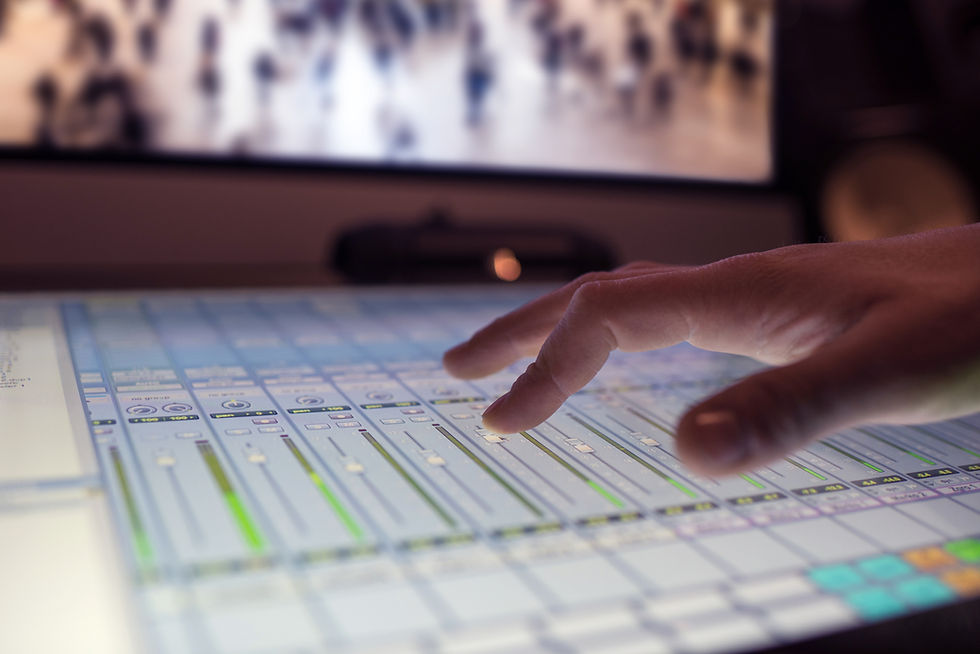
"Levels" is one of those terms that gets thrown around constantly in podcasting, but rarely explained clearly. Here's what it actually means, and why getting it right matters more than almost anything else in your audio.
What "Levels" Means
In simple terms, levels refers to how loud or quiet different parts of your audio are — both individually (is each speaker too loud or too quiet?) and relative to each other (do speakers sound balanced, or does one drown out the other?).
Why Levels Matter So Much
Inconsistent levels are one of the fastest ways to lose a listener. If they have to constantly adjust their volume — turning it up to hear a quiet guest, then down when the host comes back in loud — that friction makes the listening experience feel exhausting, even if the content itself is great.
Common Level Problems
Mismatched speaker volume. One person recorded closer to their mic (or with a better mic) sounds significantly louder than the other.
Inconsistent volume within a single track. Someone leans back from their mic mid-sentence, or gets more animated and suddenly louder.
Background music or intros that are too loud (or too quiet) relative to spoken word.
Episodes that are louder or quieter than other shows on the same platform, forcing listeners to adjust volume every time they switch.
How Professionals Approach Leveling
This is typically done in two stages:
1. Balancing relative levels — making sure every speaker sits at a similar, comfortable volume compared to each other.
2. Normalizing to a target loudness — most platforms (Spotify, Apple Podcasts) have loudness standards podcasts are expected to meet, generally measured in LUFS (a technical loudness measurement). Hitting this target ensures your show doesn't sound dramatically louder or quieter than others in a listener's queue.
Simple Things You Can Do While Recording
Keep a consistent distance from your microphone throughout the episode
Do a quick sound check with all speakers before recording, not just the host
Use headphones while recording so you can catch volume issues in real time
Avoid leaning toward or away from the mic while talking
When DIY Leveling Gets Difficult
Basic leveling can be done with free tools and a little patience. But achieving truly consistent, broadcast-quality levels — especially across multiple speakers, multiple episodes, and different recording setups — is where experience starts to matter a lot. It's one of the most common reasons podcasters eventually bring in a professional.
Want a professional ear on your current levels? Send an episode to Mix at 6 Studios for honest feedback.


